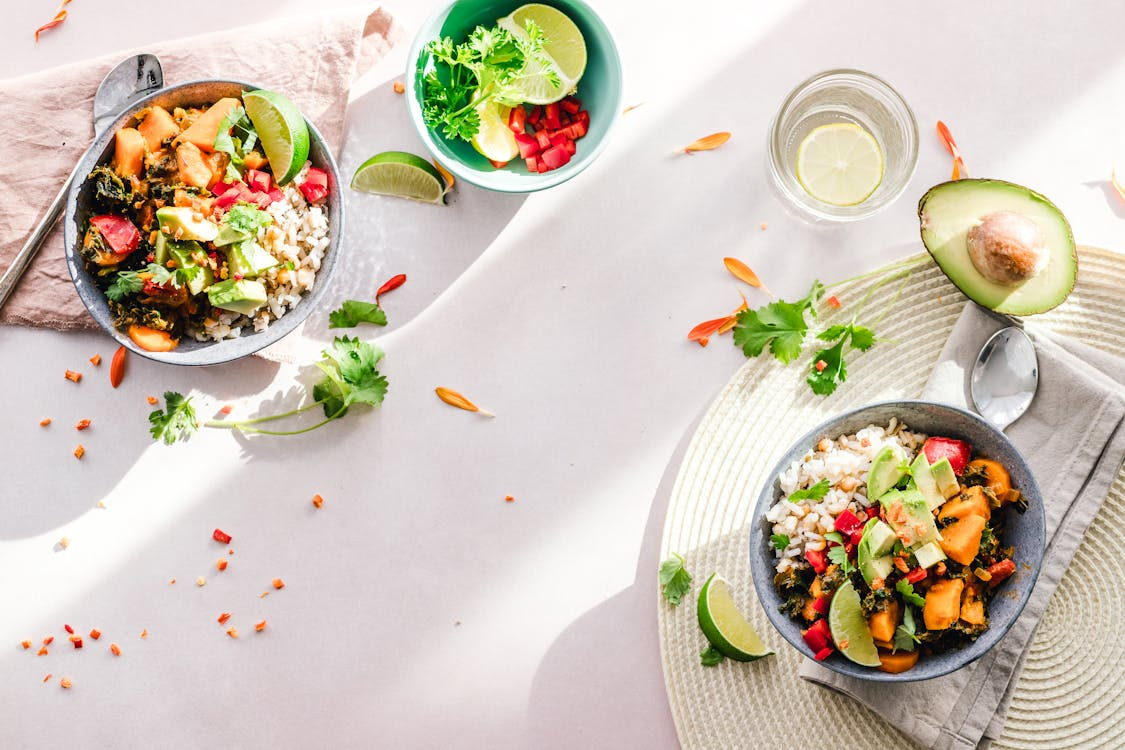
Maintaining a healthy lifestyle is more than just a trend; it’s a way of life. One of the best ways to support your fitness goals, lose weight, or simply stay healthy is by focusing on meals that are high in protein but low in calories. Protein helps you feel full, builds and repairs muscles, and supports a healthy metabolism, while low-calorie meals help prevent overeating and keep your energy levels balanced.
If you’ve ever struggled to find meal ideas that hit both these marks, you’re not alone. Luckily, there are plenty of tasty options that are satisfying, easy to make, and great for your health.
Why Choose High Protein, Low Calorie Meals?
Before diving into meal ideas, let’s understand why this combination is so effective:
- Satiety and Appetite Control
Protein-rich meals make you feel full longer. Unlike sugary or carb-heavy foods that spike your blood sugar and leave you hungry quickly, protein keeps cravings at bay. - Muscle Maintenance and Growth
If you’re working out or just want to maintain a toned physique, protein is essential. Your body uses protein to repair tissues and build lean muscle mass, which in turn helps burn more calories naturally. - Boosted Metabolism
Digesting protein requires more energy than carbs or fats. This means high-protein meals slightly increase your calorie burn, a phenomenon known as the thermic effect of food. - Weight Management
Combining high protein with low-calorie ingredients can help you lose weight without feeling deprived. You get all the nutrients you need without unnecessary calories.
High Protein, Low Calorie Meal Ideas
Here’s a list of meal ideas you can try for breakfast, lunch, dinner, and snacks. Each option is simple, flavorful, and nutrient-rich.
1. Breakfast Options
Greek Yogurt Bowl with Berries and Nuts
- Ingredients: 1 cup plain Greek yogurt, ½ cup mixed berries, 1 tablespoon chia seeds, 5-6 almonds.
- Why it works: Greek yogurt is high in protein, berries add antioxidants and fiber, and nuts provide healthy fats without overloading calories.
Egg White Veggie Omelet
- Ingredients: 4 egg whites, ½ cup spinach, ¼ cup mushrooms, 1 small tomato, salt, pepper.
- Why it works: Egg whites are almost pure protein, and vegetables add volume and nutrients without adding many calories.
Protein Pancakes
- Ingredients: 1 scoop protein powder, ½ cup oats, 1 banana, 1 egg.
- Why it works: A sweet, filling breakfast that keeps sugar low and protein high. You can top it with berries or a teaspoon of peanut butter.
2. Lunch Options
Grilled Chicken Salad
- Ingredients: 4 oz grilled chicken breast, 2 cups mixed greens, ½ cucumber, ½ bell pepper, 1 teaspoon olive oil, lemon juice.
- Why it works: Lean chicken breast is packed with protein, and vegetables are low in calories but high in fiber, keeping you full.
Tuna and Avocado Wrap
- Ingredients: 1 whole-grain wrap, 3 oz canned tuna (in water), ¼ avocado, lettuce, tomato, mustard.
- Why it works: Tuna is an excellent protein source, and avocado provides healthy fats to keep energy levels stable.
Lentil and Veggie Soup
- Ingredients: 1 cup cooked lentils, 1 cup mixed vegetables, vegetable broth, herbs, and spices.
- Why it works: Lentils are high in plant-based protein, and the soup is low in calories while being very filling.
3. Dinner Options
Baked Salmon with Steamed Broccoli
- Ingredients: 4 oz salmon fillet, 1 cup broccoli, lemon, herbs.
- Why it works: Salmon is rich in protein and omega-3 fatty acids, while broccoli adds fiber and essential nutrients without extra calories.
Turkey and Zucchini Stir Fry
- Ingredients: 4 oz ground turkey, 1 cup zucchini, ½ bell pepper, garlic, soy sauce (low sodium).
- Why it works: Turkey is lean and protein-packed, and vegetables keep the dish low in calories.
Shrimp and Cauliflower Rice
- Ingredients: 4 oz shrimp, 1 cup cauliflower rice, ½ cup chopped peppers, garlic, lime.
- Why it works: Shrimp is very high in protein and low in calories. Cauliflower rice is a great low-carb, low-calorie substitute for regular rice.
4. Snack Options
Cottage Cheese with Pineapple
- Ingredients: ½ cup low-fat cottage cheese, ¼ cup pineapple chunks.
- Why it works: Cottage cheese is rich in protein, while pineapple gives natural sweetness with minimal calories.
Hard-Boiled Eggs
- Ingredients: 2 large eggs.
- Why it works: Eggs are a compact, protein-dense snack that is easy to prepare and satisfying.
Roasted Chickpeas
- Ingredients: ½ cup chickpeas, olive oil, paprika, garlic powder.
- Why it works: Chickpeas provide plant-based protein and fiber, making them a crunchy, low-calorie snack.
Tips for Making High Protein, Low Calorie Meals
- Focus on Lean Protein – Choose chicken breast, turkey, fish, eggs, low-fat dairy, or plant-based options like tofu, tempeh, and legumes.
- Load Up on Vegetables – They add volume, fiber, and nutrients without significantly increasing calories.
- Mind Your Fats – Healthy fats are important, but measure portions carefully. Nuts, seeds, and olive oil go a long way.
- Use Herbs and Spices – Flavor your meals without adding calories through sauces or dressings. Garlic, paprika, turmeric, and fresh herbs are excellent choices.
- Prep Ahead – Batch cooking proteins and chopping vegetables can make healthy meals quick and convenient.
Frequently Asked Questions (FAQs)
1. Can I eat high-protein meals every day?
Yes! Eating protein daily supports muscle maintenance, satiety, and overall health. Just vary your protein sources to get a mix of amino acids and nutrients.
2. Are plant-based proteins as effective as animal proteins?
Absolutely. Lentils, beans, tofu, tempeh, quinoa, and edamame are all high-protein options. Just make sure to combine them for a complete amino acid profile if you’re fully plant-based.
3. Will high-protein, low-calorie meals help me lose weight?
Yes, when combined with a calorie deficit. Protein helps you feel full, supports metabolism, and prevents muscle loss, which is important during weight loss.
4. How do I make meals more filling without adding calories?
Include fiber-rich vegetables, legumes, and water-based foods like soups and salads. Protein also contributes to satiety.
5. Can I snack on high-protein, low-calorie foods?
Definitely. Snacks like Greek yogurt, cottage cheese, boiled eggs, or roasted chickpeas help maintain energy levels and prevent overeating at main meals.
Final Thoughts
Eating high-protein, low-calorie meals doesn’t have to be boring or restrictive. With the right ingredients and a little creativity, you can enjoy flavorful meals that support your fitness goals, boost energy, and keep you satisfied. From hearty breakfasts to satisfying dinners and snacks, the key is balance—lean proteins, nutrient-rich vegetables, and moderate healthy fats.
By planning your meals ahead, experimenting with spices, and including a variety of protein sources, you can make healthy eating a sustainable and enjoyable lifestyle, not a chore.
Start small, try one or two new recipes each week, and soon these high-protein, low-calorie meals will become a natural part of your daily routine, helping you feel strong, energized, and in control of your health.
