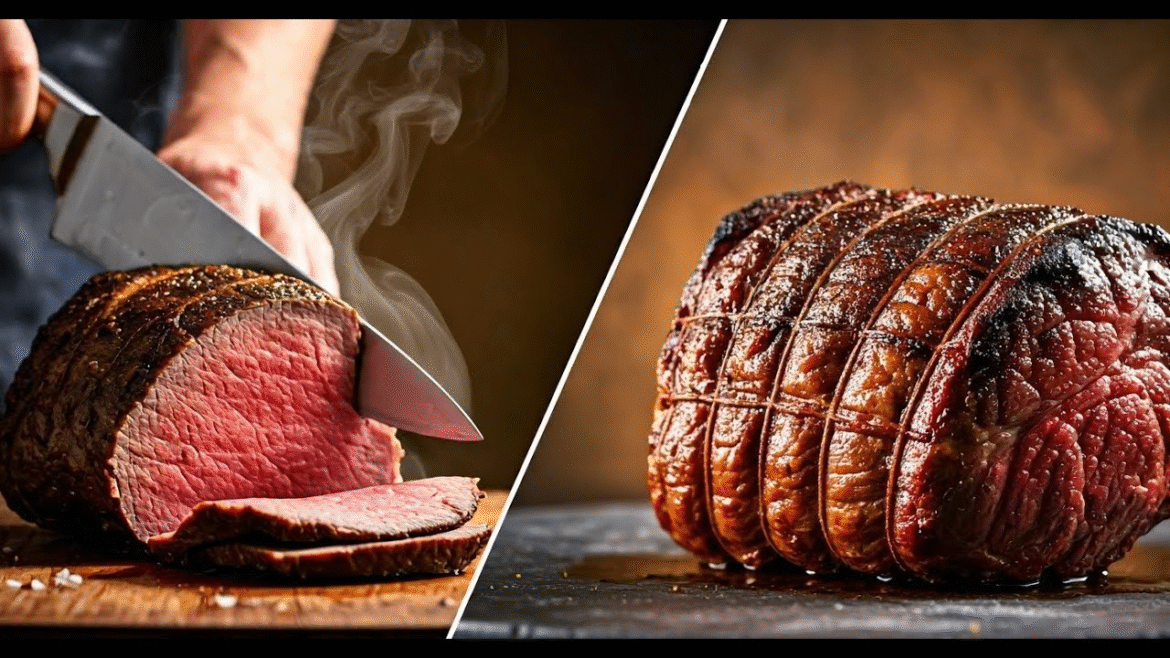
Grilling beef for the first time can feel exciting—and a little scary. You want meat that tastes amazing, cooks easily, and doesn’t turn tough or dry. The good news is that some beef cuts are very beginner-friendly. They are forgiving, flavorful, and don’t require professional skills to get great results.
If you’re new to grilling, choosing the right cut matters more than fancy equipment or complicated recipes. This guide will walk you through the best cuts of beef for grilling beginners, explain why they work so well, and share simple tips to help you cook them perfectly every time.
Why Choosing the Right Cut Matters
Not all beef is the same. Some cuts are naturally tender, while others are tougher and need slow cooking. For grilling, beginners should choose cuts that:
- Cook quickly over high heat
- Stay juicy even if slightly overcooked
- Have good natural flavor
- Don’t need complicated preparation
Tender cuts from the middle of the cow (like the loin and rib areas) are usually the easiest to grill.
1. Ribeye Steak — Rich, Juicy, and Forgiving
Ribeye is one of the best steaks for beginners. It has plenty of fat marbling (thin streaks of fat inside the meat), which melts during grilling and keeps the steak juicy.
Why it’s great for beginners:
- Hard to dry out
- Very flavorful without much seasoning
- Cooks evenly
- Tastes delicious even if slightly overcooked
How to grill ribeye simply:
- Take the steak out of the fridge 20–30 minutes before cooking.
- Sprinkle salt and pepper on both sides.
- Grill on high heat for about 4–5 minutes per side for medium doneness.
- Let it rest for 5 minutes before slicing.
Because ribeye is so rich, you don’t need sauces or marinades. Salt, pepper, and fire are enough.
2. Sirloin Steak — Lean, Affordable, and Tasty
Sirloin is a popular choice for beginners because it’s less expensive than premium steaks but still flavorful.
Why it works well:
- Easy to find in stores
- Lower fat but still tender
- Budget-friendly
- Great for everyday grilling
Tips for best results:
Sirloin is leaner than ribeye, so don’t overcook it. Medium or medium-rare keeps it juicy. If you like, you can marinate it for extra tenderness.
Simple marinade idea:
- Olive oil
- Garlic
- Lemon juice
- Salt and pepper
Marinate for 1–2 hours before grilling.
3. T-Bone Steak — Two Steaks in One
T-bone steak is special because it includes two different cuts separated by a bone: strip steak on one side and tenderloin on the other.
Why beginners love it:
- Big, impressive look
- Combines tenderness and flavor
- Cooks well on direct heat
- Perfect for sharing
Grilling advice:
Because the tenderloin side cooks faster, keep an eye on it. If one side is cooking too quickly, move that side to a cooler part of the grill.
4. Strip Steak (New York Strip) — Balanced and Reliable
Strip steak offers a great balance between tenderness and beefy flavor. It has less fat than ribeye but more than sirloin.
Beginner benefits:
- Easy to cook evenly
- Firm texture makes it simple to handle
- Delicious with basic seasoning
- Works well on gas or charcoal grills
Simple cooking method:
- Season with salt, pepper, and a little oil
- Grill on high heat
- Flip once for good grill marks
Letting the steak rest after grilling helps the juices stay inside the meat.
5. Tenderloin (Filet) — Super Tender and Mild
Tenderloin is the softest cut of beef. It almost melts in your mouth.
Why beginners may enjoy it:
- Extremely tender
- Cooks quickly
- Great for special occasions
- Low risk of chewiness
Important tip:
Because it has very little fat, tenderloin can dry out if overcooked. Watch it closely and aim for medium-rare or medium.
Many people wrap it in bacon or brush with butter for extra flavor.
6. Flank Steak — Great for Slicing and Sharing
Flank steak is thinner than traditional steaks and has a strong beef flavor. It’s perfect for feeding a group.
Why it’s beginner-friendly:
- Cooks very quickly
- Ideal for sandwiches, tacos, or salads
- Affordable
- Easy to marinate
Key tip: Slice it correctly
Flank steak has long muscle fibers. After grilling, always slice against the grain (across the lines). This makes it tender instead of chewy.
7. Skirt Steak — Fast, Flavorful, and Fun
Skirt steak is similar to flank but even thinner and more flavorful.
Why beginners like it:
- Extremely quick cooking time
- Absorbs marinades well
- Perfect for fajitas and wraps
- Strong beef taste
Cooking tip:
Grill for only 2–3 minutes per side on very high heat. Overcooking can make it tough.
Simple Tips for First-Time Beef Grilling
Even the best cut can turn out poorly without basic grilling skills. Here are easy tips that make a big difference:
1. Start with a Hot Grill
High heat creates a tasty crust and seals in juices.
2. Don’t Flip Too Often
Flip once or twice at most. Constant flipping prevents browning.
3. Use Simple Seasoning
Salt and pepper are enough for most steaks.
4. Let the Meat Rest
After grilling, wait 5 minutes before cutting. This keeps the steak juicy.
5. Avoid Pressing the Steak
Pressing squeezes out flavorful juices and dries the meat.
Best Doneness Levels for Beginners
If you’re unsure how long to cook beef, aim for these safe targets:
- Medium-rare: Warm red center, very juicy
- Medium: Pink center, balanced texture
- Well-done: Fully cooked but less juicy
Medium or medium-rare usually gives the best flavor and tenderness.
Which Cut Should You Try First?
If you want the easiest success:
- Most forgiving: Ribeye
- Best budget option: Sirloin
- Most tender: Tenderloin
- Best for groups: Flank or skirt steak
- Balanced choice: Strip steak
Starting with ribeye or strip steak is often the safest choice for beginners.
Final Thoughts
Grilling beef doesn’t have to be complicated. The secret is choosing a cut that works with you, not against you. Tender, well-marbled steaks are the easiest to cook and the most rewarding for new grillers.
With simple seasoning, high heat, and a little patience, you can create restaurant-quality beef right in your backyard. As you gain confidence, you can experiment with marinades, rubs, and different doneness levels.
Remember: great grilling is less about perfection and more about enjoying the process — and the delicious results.
Frequently Asked Questions (FAQs)
1. What is the easiest beef cut to grill for beginners?
Ribeye is often the easiest because its fat content keeps it juicy and flavorful even if you cook it slightly too long.
2. Do I need to marinate steak before grilling?
Not always. Tender cuts like ribeye or strip steak taste great with just salt and pepper. Leaner cuts like flank or sirloin benefit more from marinades.
3. How do I know when my steak is done without a thermometer?
You can use the finger test: softer meat means rarer, firmer meat means more done. However, a thermometer is the most accurate method.
4. Should I grill steak with the lid open or closed?
For thin steaks, lid open is fine. For thicker cuts, closing the lid helps cook the inside evenly.
5. Why is my grilled steak tough?
Common reasons include overcooking, using a tough cut, or slicing incorrectly (especially not cutting against the grain for flank or skirt steak).