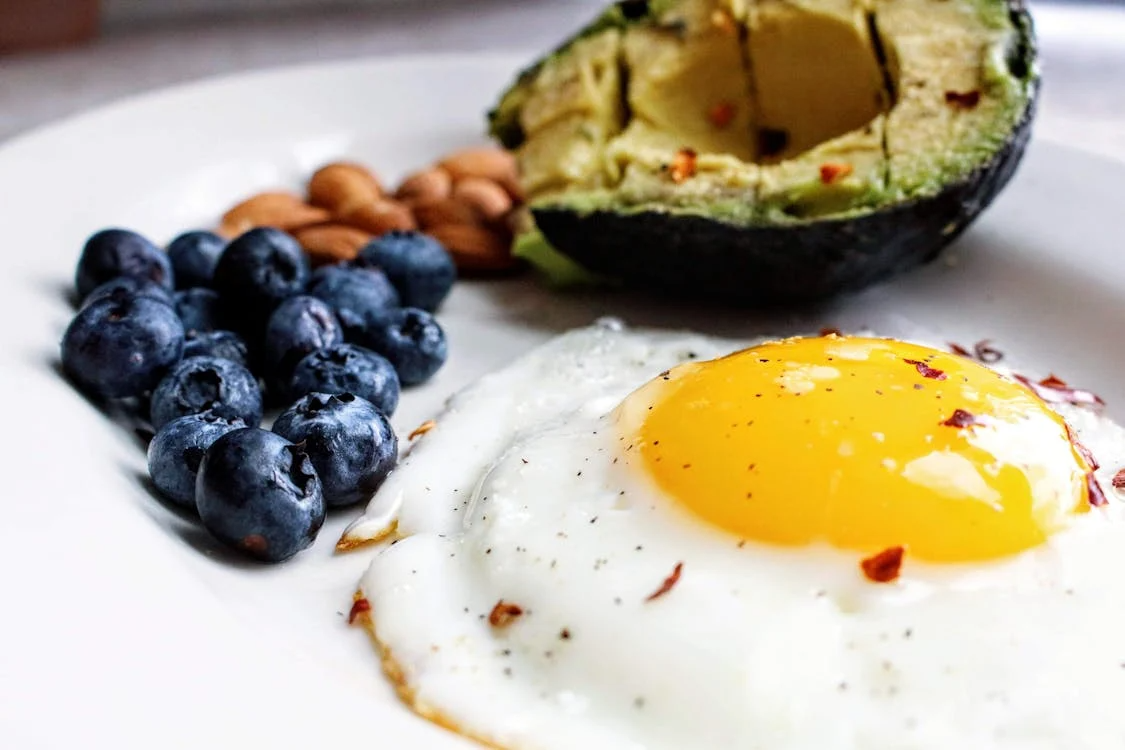
In today’s fast-paced world, eating healthy often takes a backseat. Between work, family, and social commitments, many of us rely on fast food or quick snacks that lack nutrition. But there’s a solution that doesn’t require a chef’s expertise: high protein healthy meals at home. These meals are not only nutritious but also satisfying, helping you stay full longer, build muscle, and maintain energy throughout the day. In this article, we’ll explore why protein is important, how to prepare healthy high-protein meals at home, and easy meal ideas you can try today.
Why High Protein Meals Matter
Protein is one of the three macronutrients, alongside carbohydrates and fats. It plays a critical role in repairing tissues, building muscles, supporting immune function, and producing enzymes and hormones. Here’s why high protein meals are particularly important:
- Muscle Growth and Repair: If you exercise regularly, protein helps repair micro-tears in muscles caused by workouts. This is essential for building strength and endurance.
- Weight Management: Protein is highly satiating, meaning it keeps you feeling full longer. This reduces unnecessary snacking and helps control calorie intake.
- Metabolism Boost: Digesting protein burns more calories compared to fats or carbs, giving a slight metabolism boost known as the thermic effect of food.
- Blood Sugar Balance: Protein slows digestion and stabilizes blood sugar, which is helpful for energy management and reducing cravings.
Eating protein-rich meals doesn’t require complex recipes or expensive ingredients. With a little planning, you can make meals at home that are quick, affordable, and incredibly nourishing.
How to Create High Protein Healthy Meals at Home
Creating high protein meals at home starts with smart ingredient choices and simple preparation techniques. Here’s a step-by-step guide:
1. Choose Quality Protein Sources
Protein can come from both animal and plant sources. Choosing a variety helps ensure you get all essential amino acids and nutrients.
Animal-based options:
- Chicken breast
- Turkey
- Eggs
- Greek yogurt
- Low-fat cheese
- Fish (salmon, tuna, mackerel)
Plant-based options:
- Lentils and beans
- Chickpeas
- Tofu and tempeh
- Quinoa
- Nuts and seeds
Mixing animal and plant proteins in your diet ensures balanced nutrition.
2. Add Fiber and Micronutrients
High protein meals should also include vegetables, fruits, and whole grains. This combination improves digestion, boosts energy, and supports overall health. Think leafy greens, bell peppers, sweet potatoes, and berries.
3. Cook Smart
Cooking methods matter. Opt for techniques that preserve nutrients and flavor:
- Grilling or baking instead of deep-frying
- Steaming vegetables to retain vitamins
- Using healthy fats like olive oil or avocado instead of butter
Batch cooking can save time. Prepare protein sources like grilled chicken, roasted chickpeas, or boiled eggs in bulk, then mix with fresh veggies for quick meals during the week.
4. Balance Your Plate
A simple rule is the protein, carb, and veggie ratio. Fill half your plate with vegetables, a quarter with protein, and a quarter with complex carbs. This ensures you get all macronutrients and enough fiber to keep you full.
Easy High Protein Meal Ideas at Home
Here are some simple, tasty meals you can make at home:
1. Breakfast: Greek Yogurt Parfait
Ingredients: Greek yogurt, fresh berries, chia seeds, and a sprinkle of granola.
Why it’s healthy: Greek yogurt is high in protein and calcium, berries provide antioxidants, and chia seeds add fiber and omega-3 fats.
2. Lunch: Quinoa & Chickpea Salad
Ingredients: Cooked quinoa, chickpeas, cherry tomatoes, cucumber, parsley, and a lemon-tahini dressing.
Why it’s healthy: Quinoa and chickpeas provide a complete protein source, while veggies offer fiber and essential vitamins.
3. Snack: Protein Smoothie
Ingredients: Unsweetened almond milk, a scoop of protein powder, spinach, banana, and peanut butter.
Why it’s healthy: This smoothie is protein-rich, nutrient-dense, and perfect for refueling after a workout.
4. Dinner: Baked Salmon with Veggies
Ingredients: Salmon fillet, asparagus, broccoli, olive oil, lemon, garlic.
Why it’s healthy: Salmon provides high-quality protein and omega-3 fatty acids, while roasted vegetables add fiber and antioxidants.
5. Dessert: Cottage Cheese with Fruits
Ingredients: Low-fat cottage cheese, sliced kiwi, and a drizzle of honey.
Why it’s healthy: Cottage cheese is high in casein protein, which digests slowly, making it perfect for a bedtime snack to fuel muscles overnight.
Tips for Sticking to High Protein Meals
- Plan Ahead: Meal prepping helps prevent last-minute unhealthy choices.
- Keep Protein Handy: Boil eggs, cook chicken, or store tofu for quick meals.
- Experiment with Flavors: Herbs, spices, and healthy sauces can make meals exciting without adding empty calories.
- Track Protein Intake: Most adults need around 0.8–1.2 grams of protein per kilogram of body weight daily, but active individuals may need more.
- Hydrate: Drinking enough water supports digestion and metabolism, especially when increasing protein intake.
Frequently Asked Questions (FAQs)
1. How much protein should I eat in a day?
The recommended daily intake is about 0.8 grams per kilogram of body weight for sedentary adults. For active people or those building muscle, 1.2–2.0 grams per kilogram is ideal.
2. Can I get enough protein from plants alone?
Yes! Combining legumes, grains, nuts, seeds, and soy products can provide all essential amino acids. Quinoa and soy are complete plant-based proteins.
3. Are high protein meals bad for kidneys?
For healthy individuals, high protein diets are generally safe. However, those with kidney disease should consult a doctor before increasing protein intake.
4. What’s the best time to eat protein?
Protein is beneficial throughout the day. Consuming it at breakfast, lunch, dinner, and post-workout helps with muscle repair and satiety.
5. How can I make high protein meals more affordable?
Use budget-friendly protein sources like eggs, beans, lentils, canned tuna, and frozen chicken. Buy vegetables in season or frozen to save money.
Conclusion
Eating high protein healthy meals at home doesn’t have to be complicated or expensive. By choosing quality protein sources, combining them with fiber-rich vegetables, and using simple cooking methods, you can create meals that fuel your body, support muscle growth, and keep you energized. Meal planning and preparation make it easier to stick to healthy habits, and experimenting with flavors keeps eating exciting.
Start small—try adding one protein-rich meal to your day, then gradually expand. Over time, you’ll notice improved energy, better mood, and a healthier body overall. Cooking at home is not just about eating; it’s about nourishing yourself in a sustainable and enjoyable way.
