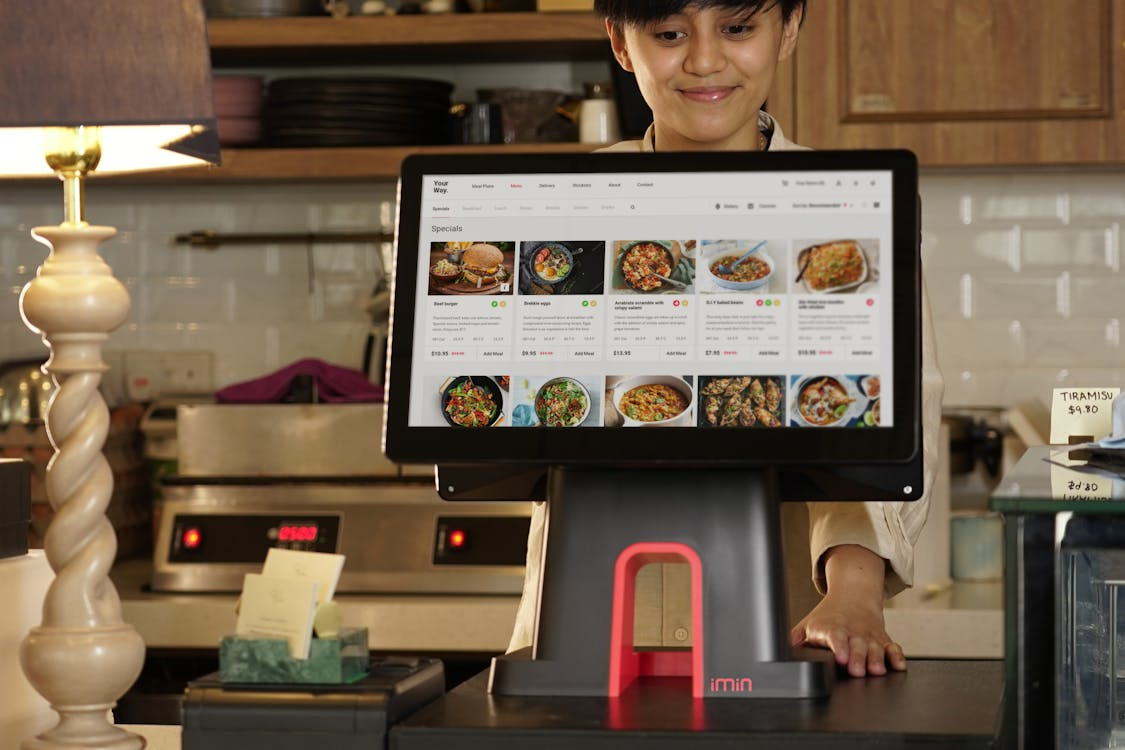
Running a small restaurant or café can be exciting but challenging. One of the most important aspects of running a successful food business is having the right restaurant menu. Your menu is more than a list of dishes; it’s a tool to attract customers, show your brand personality, and increase sales. For small business owners, creating a menu that is both unique and profitable can be a game-changer.
In this article, we’ll explore restaurant menu ideas for small business, including tips on design, menu items, pricing, and customer preferences. We’ll also answer some common questions that small restaurant owners often have.
Why Your Menu Matters
Before diving into specific ideas, it’s important to understand why the menu is so crucial. A menu does more than tell customers what’s available. It:
- Represents your brand – Is your restaurant casual, family-friendly, or gourmet? Your menu should reflect that.
- Influences sales – The way items are listed, described, and priced can increase what customers order.
- Helps with efficiency – A well-planned menu helps the kitchen run smoothly, which is especially important for small businesses with limited staff.
A good menu balances creativity with practicality. You want dishes that stand out but are also feasible to make consistently.
Tips for Designing a Small Business Restaurant Menu
Creating a menu for a small business requires careful planning. Here are some key tips:
1. Keep It Simple
For small restaurants, less is often more. Instead of offering 50 dishes, focus on 15–20 well-prepared items. A smaller menu:
- Reduces food waste
- Makes inventory easier to manage
- Helps customers choose without feeling overwhelmed
2. Highlight Signature Dishes
Every small restaurant should have 1–3 signature dishes that define your brand. These could be a special pasta, burger, or dessert. Highlighting these on your menu can help customers remember you and keep them coming back.
3. Use Descriptive Words
Words matter. Instead of just writing “chicken salad,” try “Grilled Herb Chicken Salad with Fresh Seasonal Greens.” Descriptions make dishes sound appealing and can influence buying decisions.
4. Consider Pricing Strategy
Pricing is crucial. For small businesses, you want to cover costs and make a profit without scaring customers away. Some ideas:
- Bundle items for value meals
- Offer a small selection of high-margin items
- Use charm pricing (e.g., $9.95 instead of $10)
5. Organize Menu Layout
How you arrange your menu affects what customers choose. Place high-profit items in the top-right corner, where eyes naturally go first. Group dishes logically: appetizers, mains, desserts, and beverages. Use spacing and borders to make it easy to read.
Creative Restaurant Menu Ideas for Small Businesses
Here are some practical and unique ideas that small business owners can use:
1. Seasonal Menus
Rotating your menu based on seasons is a great way to keep customers interested. For example:
- Spring: Fresh salads, smoothies, or light pastas
- Summer: Cold soups, grilled dishes, and refreshing beverages
- Fall: Pumpkin or squash-based dishes, hearty soups
- Winter: Comfort foods like stews, baked dishes, and hot drinks
Seasonal menus help with ingredient costs and make your restaurant feel fresh and trendy.
2. Local and Sustainable
Consumers are increasingly interested in locally sourced and sustainable ingredients. Highlight local farms, artisanal cheeses, or seasonal vegetables on your menu. This not only supports your community but can also attract eco-conscious customers.
3. Build-Your-Own Options
People love customization. Offer options like:
- Build-your-own bowl – Choose protein, grains, and vegetables
- DIY pizza – Pick your crust, sauce, and toppings
- Taco bar – Select proteins, salsas, and sides
This gives your customers control and can increase satisfaction and loyalty.
4. Dietary-Friendly Choices
Make your menu inclusive by offering vegetarian, vegan, gluten-free, or keto-friendly items. Even a small section labeled “Healthy Options” or “Diet-Friendly” can make your restaurant more appealing to a wider audience.
5. Combo Meals and Specials
Specials encourage repeat visits. Offer combo meals or daily specials that give customers variety without overwhelming the kitchen. This can also help you manage inventory efficiently by using ingredients across multiple dishes.
6. Limited-Time Offers
Adding limited-time offers creates urgency. Customers may try new items knowing they won’t last long. Examples include:
- Seasonal drinks like pumpkin spice latte
- Holiday-themed desserts
- Monthly chef’s specials
7. Eye-Catching Visual Menus
Even small restaurants benefit from visuals. Include small images for key dishes, especially for desserts or unique meals. Visual cues can drive sales, especially when customers are unsure what to choose.
Digital Menus for Small Businesses
In today’s world, having a digital presence is essential. Consider:
- QR code menus for contactless ordering
- Online menus on your website or social media
- Integration with delivery apps
Digital menus make updates easier and allow you to showcase specials, new dishes, or promotions without reprinting physical menus.
Common Mistakes to Avoid
- Too many items – It overwhelms customers and complicates operations.
- Ignoring food costs – Price every dish carefully to ensure profit.
- Neglecting menu design – Poor layout or confusing categories can reduce sales.
- Copying competitors – Stand out with your unique offerings.
- Not updating regularly – Menus should evolve with trends and customer preferences.
FAQs About Restaurant Menu Ideas for Small Business
1. How many items should a small restaurant menu have?
For small restaurants, 15–20 items are ideal. It’s enough to offer variety but keeps the kitchen manageable.
2. Should I focus on seasonal dishes or permanent menu items?
A mix works best. Have a few permanent signature dishes and rotate seasonal items to keep customers coming back.
3. How can I make my menu more profitable?
Highlight high-margin items, use descriptive language, bundle meals, and place profitable dishes in strategic spots on the menu.
4. Do I need to offer vegetarian or vegan options?
Yes. Even a few dietary-friendly choices can attract more customers and improve your restaurant’s reputation.
5. How often should I update my restaurant menu?
Update your menu at least once a year, but seasonal menus can be updated 2–4 times per year depending on ingredients and trends.
Final Thoughts
For small businesses, a well-designed restaurant menu is one of the most powerful tools for attracting customers and increasing sales. Focus on simplicity, creativity, and profitability. Highlight signature dishes, offer seasonal and dietary-friendly options, and consider visual and digital enhancements.
A thoughtful menu not only reflects your brand but also helps your restaurant run efficiently. Remember, your menu is not static—it’s a living document that evolves with your business and customers’ tastes.
By using these restaurant menu ideas for small business, you can create a menu that excites customers, boosts revenue, and sets your restaurant apart from the competition.
